



Je cadeautjes zeker op tijd in huis hebben voor de feestdagen? Kom langs in onze winkels en vind het perfecte geschenk!
- Afhalen na 1 uur in een winkel met voorraad
- Gratis thuislevering in België vanaf € 30
- Ruim aanbod met 7 miljoen producten
Je cadeautjes zeker op tijd in huis hebben voor de feestdagen? Kom langs in onze winkels en vind het perfecte geschenk!
- Afhalen na 1 uur in een winkel met voorraad
- Gratis thuislevering in België vanaf € 30
- Ruim aanbod met 7 miljoen producten





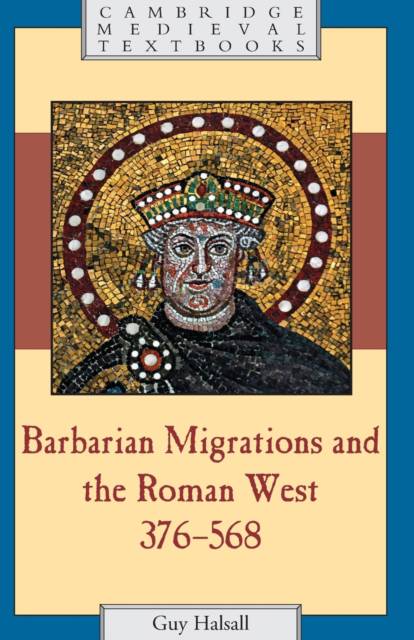
Omschrijving
This is a major survey of the barbarian migrations and their role in the fall of the Roman Empire and the creation of early medieval Europe, one of the key events in European history. Unlike previous studies it integrates historical and archaeological evidence and discusses Britain, Ireland, mainland Europe and North Africa, demonstrating that the Roman Empire and its neighbours were inextricably linked. A narrative account of the turbulent fifth and early sixth centuries is followed by a description of society and politics during the migration period and an analysis of the mechanisms of settlement and the changes of identity. Guy Halsall reveals that the creation and maintenance of kingdoms and empires was impossible without the active involvement of people in the communities of Europe and North Africa. He concludes that, contrary to most opinions, the fall of the Roman Empire produced the barbarian migrations, not vice versa.
Specificaties
Betrokkenen
- Auteur(s):
- Uitgeverij:
Inhoud
- Aantal bladzijden:
- 614
- Taal:
- Engels
- Reeks:
Eigenschappen
- Productcode (EAN):
- 9780521435437
- Verschijningsdatum:
- 20/12/2007
- Uitvoering:
- Paperback
- Formaat:
- Trade paperback (VS)
- Afmetingen:
- 137 mm x 213 mm
- Gewicht:
- 748 g


Alleen bij Standaard Boekhandel
+ 120 punten op je klantenkaart van Standaard Boekhandel
CADEAU


Beoordelingen
We publiceren alleen reviews die voldoen aan de voorwaarden voor reviews. Bekijk onze voorwaarden voor reviews.