



Je cadeautjes zeker op tijd in huis hebben voor de feestdagen? Kom langs in onze winkels en vind het perfecte geschenk!
- Afhalen na 1 uur in een winkel met voorraad
- Gratis thuislevering in België vanaf € 30
- Ruim aanbod met 7 miljoen producten
Je cadeautjes zeker op tijd in huis hebben voor de feestdagen? Kom langs in onze winkels en vind het perfecte geschenk!
- Afhalen na 1 uur in een winkel met voorraad
- Gratis thuislevering in België vanaf € 30
- Ruim aanbod met 7 miljoen producten





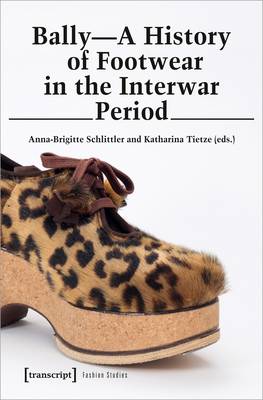
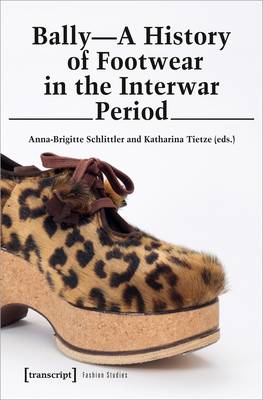
Bally - A History of Footwear in the Interwar Period
A History of Footwear in the Interwar Period
Anna–brigitte Schlittler, Katharina Tietze
€ 76,45
+ 152 punten
Omschrijving
Carl Franz Bally founded a shoe factory in Switzerland in 1851. Within decades, the Bally name had achieved worldwide recognition for its high-quality footwear. The history of modern footwear can be traced through the lens of Bally's corporate evolution. This book brings together the results of research on such topics as the economic importance of fashion, Bally's fortunes in the US, the career of shoe design, the sourcing and use of materials, and the rise of strategic product display. The research focuses on the 1930s and 1940s: years of economic crisis and war, characterized by a wide diversity of designs and increasing variety in product range. Shortages also led to experiments with materials and technical innovations. Featuring numerous points of contact with adjacent fields of historical study, this publication marks a contribution to the history of fashion as the history of industrially manufactured products.
Specificaties
Betrokkenen
- Auteur(s):
- Uitgeverij:
Inhoud
- Aantal bladzijden:
- 196
- Taal:
- Engels
- Reeks:
Eigenschappen
- Productcode (EAN):
- 9783837657388
- Verschijningsdatum:
- 27/03/2021
- Uitvoering:
- Paperback
- Formaat:
- Trade paperback (VS)
- Afmetingen:
- 152 mm x 229 mm
- Gewicht:
- 267 g


Alleen bij Standaard Boekhandel
+ 152 punten op je klantenkaart van Standaard Boekhandel
CADEAU


Beoordelingen
We publiceren alleen reviews die voldoen aan de voorwaarden voor reviews. Bekijk onze voorwaarden voor reviews.