



- Afhalen na 1 uur in een winkel met voorraad
- In januari gratis thuislevering in België
- Ruim aanbod met 7 miljoen producten
- Afhalen na 1 uur in een winkel met voorraad
- In januari gratis thuislevering in België
- Ruim aanbod met 7 miljoen producten





€ 43,45
+ 86 punten
Omschrijving
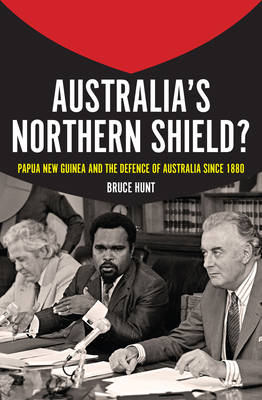
This book is the first to draw extensively on the recently released highly classified notes of the cabinet room discussions of successive Australian Governments from 1950 to the mid-1970s and details the changing attitude of the nation's leaders towards the place of Papua New Guinea in Australia's defence and security outlook. The Cabinet Notebooks provide an uncensored and unprecedented insight into the opinion of Australia's leaders towards Indonesia under Sukarno, Southeast Asia and Indo China in general, the changing nature of relations with Britain and the United States and, finally, towards Papua New Guinea. The cabinet room discussions reveal attitudes towards Asia and Australia's place in the region more nuanced, varied and sensitive than previously known. They also illustrate the dominant influence of Prime Minister Robert Menzies and Deputy Prime Minister John McEwen in shaping Australia's response to the critical events of this time. Australia's Northern Shield? shows how, since colonial times, Australia has assessed the importance of Papua New Guinea by examining the ambitions of and threats from external sources, principally Imperial Germany, Japan, and Indonesia. It examines the significant change in Australia's attitude as this region approached independence in 1975, amid concerns as to the new nation's future stability and unity. The terms of Australia's long-term defence undertaking are examined in detail and an examination is offered also of the most recent attempts to define the strategic importance of Papua New Guinea to Australia.
Specificaties
Betrokkenen
- Auteur(s):
- Uitgeverij:
Inhoud
- Aantal bladzijden:
- 408
- Taal:
- Engels
- Reeks:
Eigenschappen
- Productcode (EAN):
- 9781925495409
- Verschijningsdatum:
- 1/03/2017
- Uitvoering:
- Paperback
- Formaat:
- Trade paperback (VS)
- Afmetingen:
- 152 mm x 234 mm
- Gewicht:
- 725 g


Alleen bij Standaard Boekhandel
+ 86 punten op je klantenkaart van Standaard Boekhandel
Cadeau

AANGERADEN


Beoordelingen
We publiceren alleen reviews die voldoen aan de voorwaarden voor reviews. Bekijk onze voorwaarden voor reviews.