



Bedankt voor het vertrouwen het afgelopen jaar! Om jou te bedanken bieden we GRATIS verzending (in België) aan op alles gedurende de hele maand januari.
- Afhalen na 1 uur in een winkel met voorraad
- Gratis thuislevering in België vanaf € 30
- Ruim aanbod met 7 miljoen producten
Bedankt voor het vertrouwen het afgelopen jaar! Om jou te bedanken bieden we GRATIS verzending (in België) aan op alles gedurende de hele maand januari.
- Afhalen na 1 uur in een winkel met voorraad
- Gratis thuislevering in België vanaf € 30
- Ruim aanbod met 7 miljoen producten





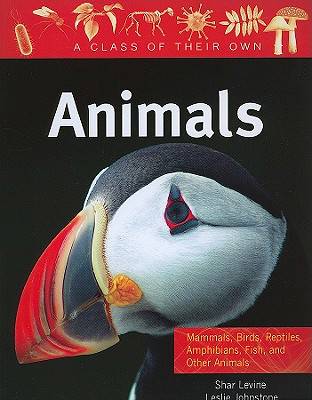
Animals: Mammals, Birds, Reptiles, Amphibians, Fish, and Other Animals
Shar Levine
€ 16,95
+ 33 punten
Omschrijving
How in the world do you classify the more than one million species in the animal kingdom? This fact-packed book divides animals into the major phyla, including chordates, arthropods, and mollusks; the major classes, such as fish, amphibians, reptiles, birds, mammals, and insects; and by critical features, such as cell structure and the need to feed. Fascinating case histories examine the discovery of new mammal species, the need to conserve endangered species, and using natural predators to control populations and preserve species and their environments. Special sections also highlight the relationships of animals with plants (food chains), bacteria (diseases), and Archaea (non-bacterial microorganisms found in the intestines of some animals).
Specificaties
Betrokkenen
- Auteur(s):
- Uitgeverij:
Inhoud
- Aantal bladzijden:
- 48
- Taal:
- Engels
- Reeks:
Eigenschappen
- Productcode (EAN):
- 9780778753865
- Verschijningsdatum:
- 15/01/2010
- Uitvoering:
- Paperback
- Formaat:
- Trade paperback (VS)
- Afmetingen:
- 215 mm x 202 mm
- Gewicht:
- 204 g


Alleen bij Standaard Boekhandel
+ 33 punten op je klantenkaart van Standaard Boekhandel
CADEAU


Beoordelingen
We publiceren alleen reviews die voldoen aan de voorwaarden voor reviews. Bekijk onze voorwaarden voor reviews.