



Bedankt voor het vertrouwen het afgelopen jaar! Om jou te bedanken bieden we GRATIS verzending (in België) aan op alles gedurende de hele maand januari.
- Afhalen na 1 uur in een winkel met voorraad
- Gratis thuislevering in België vanaf € 30
- Ruim aanbod met 7 miljoen producten
Bedankt voor het vertrouwen het afgelopen jaar! Om jou te bedanken bieden we GRATIS verzending (in België) aan op alles gedurende de hele maand januari.
- Afhalen na 1 uur in een winkel met voorraad
- Gratis thuislevering in België vanaf € 30
- Ruim aanbod met 7 miljoen producten





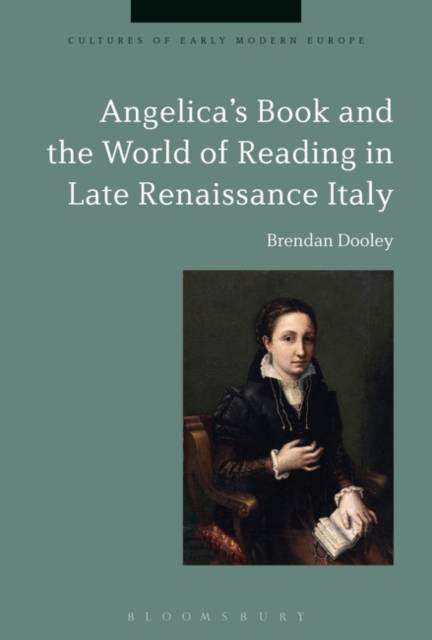
Angelica's Book and the World of Reading in Late Renaissance Italy
Brendan Dooley
€ 296,95
+ 593 punten
Uitvoering
Omschrijving
Through the lens of a history of material culture mediated by an object, Angelica's Book and the World of Reading in Late Renaissance Italy investigates aspects of women's lives, culture, ideas and the history of the book in early modern Italy.
Inside a badly damaged copy of Straparola's 16th-century work, Piacevoli Notti, acquired in a Florentine antique shop in 2010, an inscription is found, attributing ownership to a certain Angelica Baldachini. The discovery sets in motion a series of inquiries, deploying knowledge about calligraphy, orthography, linguistics, dialectology and the socio-psychology of writing, to reveal the person behind the name. Focusing as much on the possible owner as upon the thing owned, Angelica's Book examines the genesis of the Piacevoli Notti and its many editions, including the one in question. The intertwined stories of the book and its owner are set against the backdrop of a Renaissance world, still imperfectly understood, in which literature and reading were subject to regimes of control; and the new information throws aspects of this world into further relief, especially in regard to women's involvement with reading, books and knowledge. The inquiry yields unexpected insights concerning the logic of accidental discovery, the nature of evidence, and the mission of the humanities in a time of global crisis.
Angelica's Book and the World of Reading in Late Renaissance Italy is a thought-provoking read for any scholar of early modern Europe and its culture.
Inside a badly damaged copy of Straparola's 16th-century work, Piacevoli Notti, acquired in a Florentine antique shop in 2010, an inscription is found, attributing ownership to a certain Angelica Baldachini. The discovery sets in motion a series of inquiries, deploying knowledge about calligraphy, orthography, linguistics, dialectology and the socio-psychology of writing, to reveal the person behind the name. Focusing as much on the possible owner as upon the thing owned, Angelica's Book examines the genesis of the Piacevoli Notti and its many editions, including the one in question. The intertwined stories of the book and its owner are set against the backdrop of a Renaissance world, still imperfectly understood, in which literature and reading were subject to regimes of control; and the new information throws aspects of this world into further relief, especially in regard to women's involvement with reading, books and knowledge. The inquiry yields unexpected insights concerning the logic of accidental discovery, the nature of evidence, and the mission of the humanities in a time of global crisis.
Angelica's Book and the World of Reading in Late Renaissance Italy is a thought-provoking read for any scholar of early modern Europe and its culture.
Specificaties
Betrokkenen
- Auteur(s):
- Uitgeverij:
Inhoud
- Aantal bladzijden:
- 216
- Taal:
- Engels
- Reeks:
Eigenschappen
- Productcode (EAN):
- 9781474270311
- Verschijningsdatum:
- 20/10/2016
- Uitvoering:
- Hardcover
- Formaat:
- Genaaid
- Afmetingen:
- 155 mm x 236 mm
- Gewicht:
- 476 g



Alleen bij Standaard Boekhandel
+ 593 punten op je klantenkaart van Standaard Boekhandel
CADEAU


Beoordelingen
We publiceren alleen reviews die voldoen aan de voorwaarden voor reviews. Bekijk onze voorwaarden voor reviews.