


- Afhalen na 1 uur in een winkel met voorraad
- Gratis thuislevering in België vanaf € 30
- Ruim aanbod met 7 miljoen producten
- Afhalen na 1 uur in een winkel met voorraad
- Gratis thuislevering in België vanaf € 30
- Ruim aanbod met 7 miljoen producten





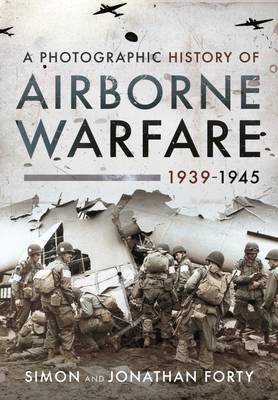
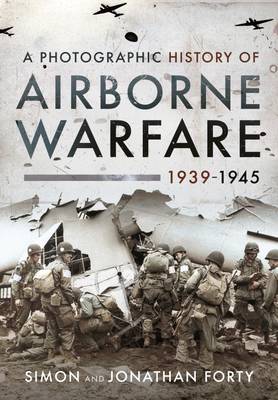
A Photographic History of Airborne Warfare, 1939-1945
Simon Forty, Jonathan Forty
Hardcover | Engels
€ 34,95
+ 69 punten
Omschrijving
"...great as reference for any modeler or historian." - IPMS/USA
On 10 May 1940, German Fallschirmjäger stormed the Dutch fort of Eben-Emael, south of Maastricht. The brilliantly executed operation was the first signal success by airborne troops in the Second World War and it made the military world sit up and take notice. Improved parachutes and the creation of gliders that could carry troops meant that assault forces could be dropped or landed behind enemy lines. This was a significant new tactic which had a dramatic impact on several of the key campaigns, and it is the subject of Simon and Jonathan Forty's in-depth, highly illustrated history.
They tell the story of the development of airborne forces, how they were trained and equipped, and how they were landed and put into action in every theater of the global conflict. The results were mixed. German airborne forces were victorious on Crete, but the cost was so great that Hitler vowed never to use them in the same way again. The Allies saw things differently. After Crete they built up elite units who would play important roles in later battles - in Normandy, for example, where the British 6th Airborne Division took vital bridges prior to the D-Day landings.
These are just two examples of the many similar operations on the Western and Eastern Fronts and in the Pacific which are covered in this wide-ranging book. It offers the reader a fascinating insight into airborne warfare over seventy years ago.
On 10 May 1940, German Fallschirmjäger stormed the Dutch fort of Eben-Emael, south of Maastricht. The brilliantly executed operation was the first signal success by airborne troops in the Second World War and it made the military world sit up and take notice. Improved parachutes and the creation of gliders that could carry troops meant that assault forces could be dropped or landed behind enemy lines. This was a significant new tactic which had a dramatic impact on several of the key campaigns, and it is the subject of Simon and Jonathan Forty's in-depth, highly illustrated history.
They tell the story of the development of airborne forces, how they were trained and equipped, and how they were landed and put into action in every theater of the global conflict. The results were mixed. German airborne forces were victorious on Crete, but the cost was so great that Hitler vowed never to use them in the same way again. The Allies saw things differently. After Crete they built up elite units who would play important roles in later battles - in Normandy, for example, where the British 6th Airborne Division took vital bridges prior to the D-Day landings.
These are just two examples of the many similar operations on the Western and Eastern Fronts and in the Pacific which are covered in this wide-ranging book. It offers the reader a fascinating insight into airborne warfare over seventy years ago.
Specificaties
Betrokkenen
- Auteur(s):
- Uitgeverij:
Inhoud
- Aantal bladzijden:
- 232
- Taal:
- Engels
Eigenschappen
- Productcode (EAN):
- 9781399011143
- Verschijningsdatum:
- 12/01/2022
- Uitvoering:
- Hardcover
- Formaat:
- Genaaid
- Afmetingen:
- 173 mm x 249 mm
- Gewicht:
- 748 g


Alleen bij Standaard Boekhandel
+ 69 punten op je klantenkaart van Standaard Boekhandel

Beoordelingen
We publiceren alleen reviews die voldoen aan de voorwaarden voor reviews. Bekijk onze voorwaarden voor reviews.