



Je cadeautjes zeker op tijd in huis hebben voor de feestdagen? Kom langs in onze winkels en vind het perfecte geschenk!
- Afhalen na 1 uur in een winkel met voorraad
- Gratis thuislevering in België vanaf € 30
- Ruim aanbod met 7 miljoen producten
Je cadeautjes zeker op tijd in huis hebben voor de feestdagen? Kom langs in onze winkels en vind het perfecte geschenk!
- Afhalen na 1 uur in een winkel met voorraad
- Gratis thuislevering in België vanaf € 30
- Ruim aanbod met 7 miljoen producten





€ 19,95
+ 39 punten
Omschrijving
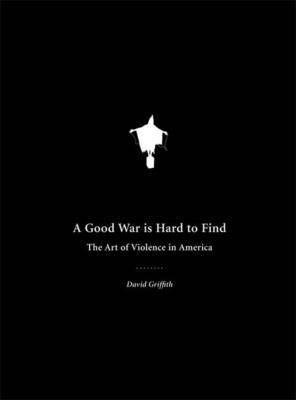
In the wake of Abu Ghraib, Americans have struggled to understand what happened in the notorious prison and why. In this elegant series of essays, inflected with a radical Catholic philosophy, David Griffith contends that society's shift from language to image has changed the way people think about violence and cruelty, and that a disconnect exists between images and reality. Griffith meditates on images and literature, finding potent insight into what went wrong at the prison in the works of Susan Sontag, Anthony Burgess, and especially Flannery O'Connor, who often explored the gulf between proclamations of faith and the capacity for evil. Accompanying the essays are illustrated facts about torture, lists of torture methods and their long-term effects, and graphics such as the schematics of the "pain pathways" in the human body. Together, the images and essays endow the human being with the complexity images alone deny.
Specificaties
Betrokkenen
- Auteur(s):
- Uitgeverij:
Inhoud
- Aantal bladzijden:
- 192
- Taal:
- Engels
Eigenschappen
- Productcode (EAN):
- 9781933368122
- Verschijningsdatum:
- 1/08/2006
- Uitvoering:
- Paperback
- Formaat:
- Trade paperback (VS)
- Afmetingen:
- 142 mm x 191 mm
- Gewicht:
- 204 g


Alleen bij Standaard Boekhandel
+ 39 punten op je klantenkaart van Standaard Boekhandel
CADEAU


Beoordelingen
We publiceren alleen reviews die voldoen aan de voorwaarden voor reviews. Bekijk onze voorwaarden voor reviews.